

About
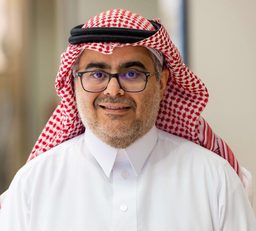
Prof. Waleed Alzamil, Professor in the Department of Urban Planning, King Saud University. Director of the Research Center (2023-2025), Head of the Urban Planning Department (2020-2023), and Head of the Saudi Housing Research Unit (2018-2020). Vice Dean for Academic Affairs at the College of Architecture and Planning from (2016-2018). He worked as an Associate Professor in the Department of Urban Planning, King Saud University from (2019-2025); an Assistant Professor from (2015-2019) and an Assistant Lecturer from (2001-2015). He holds a PhD in Urban Planning and Environmental Policy, with a specialization in Housing and Human Settlement, from Texas Southern University, USA, in 2014. He holds a Master of Science (MCP) in Community Planning from the University of Cincinnati, Ohio (UC), USA, in 2010. He also holds a Master of Science (M.Sc.) in Urban Design from King Saud University, Saudi Arabia, in 2005, and a Bachelor of Science (B.Sc. Hons.) in Urban Planning with Honors from King Saud University, Saudi Arabia, in 2001. He has extensive experience in the field of informal housing and settlements and has previously worked as a local consultant for IHS The Institute for Housing and Urban Development Studies to develop a training program for trainers related to land systems and informal settlements management within the framework of the Future of Saudi Cities Program (FSCP) provided by UN-Habitat in 2016. He has more than (92) publications, including books, research papers, and participation in scientific conferences and seminars. He holds a professional accreditation as a "Consultant" from (SCE). He is a member of several professional associations such as the American Planners Association (APA), the Urban Affairs Association (UAA), and the Urban Land Institute (ULI).
Experience
No experience added yet.
Education
Texas Southern University
Doctorate of Philosophy in Urban Planning and Environmental Policy (PhD)
University of Cincinnati
Master of Community Planning (MCP)
King Saud University
Master of Science in Urban Design (M.Sc.)
King Saud University
Bachelor of Science in Urban Planning (B.Sc. Hons)
Skills
Other Publications
Achieving sustainable housing in smart cities: the role of model-based engineering in developing complex systems in line with vision 2030
Smart Construction and Sustainable Cities, Dec 2025
Rapid urbanization presents significant challenges for sustainable housing, often exposing the inadequacies of traditional planning methods. This study addresses this critical gap by proposing Model-Based Engineering (MBE) as a transformative solution. Employing a mixed-methods framework that integrates computational modeling (BIM, GIS), data analytics, and case studies such as NEOM, the research demonstrates that MBE can significantly enhance urban sustainability. Key findings indicate a 15% reduction in carbon emissions, a 20% decrease in energy consumption, and improved urban resilience under extreme conditions. These results surpass traditional approaches and highlight the integration of renewable energy sources and adaptive infrastructure. The study provides actionable strategies for policymakers and urban planners, presenting a replicable model that aligns with Saudi Arabia’s Vision 2030 and supports sustainable urban development. Future research directions will focus on integrating AI for predictive modeling and exploring MBE’s applicability in diverse urban contexts worldwide. By harmonizing technology with sustainability, MBE emerges as a pivotal tool for creating resilient urban environments that ensure long-term environmental and economic benefits.
Sustainable Urban Development and Climate Change Challenges Within Kingdom of Saudi Arabia's Vision 2030
Geographic Approaches to Climate Change and Mitigation: Urban and Rural Perspectives, Dec 2025
Urban growth leads to the prosperity and development of communities, but it can lead to negative impacts on the environment and society if this was outside the framework of sustainability. The concept of sustainable development is one of the common concepts that seeks to achieve economic growth and prosperity in a way that preserves the environment, achieves social justice, and preserves the rights of future generations. This concept emphasizes confronting the challenges of climate change, including preserving the natural environment, effectively using non-renewable resources, and giving future generations the right to use the resources. “Sustainable development” provides us with a comprehensive vision of the environmental costs resulting from resource consumption and its effects on the economy and society. Building effective strategies in urban planning cannot be achieved without understanding the available resources. Urban development can lead to improving living standards and the economy. However, unbalanced development and excessive consumption of natural resources in the desire for quick economic gains can negatively impact society and the climate. As a result, development may ultimately lead us to disaster in the absence of planning for resource sustainability. This paper aims to analyze the initiatives of the National National Vision 2030 in confronting the challenges of climate change. The paper attempts to extract the most prominent principles that National National Vision 2030 focused on in the context of urban development and their role in climate change mitigation. The paper relies on the theoretical and inductive approach by reviewing the National National Vision 2030 initiatives in planning to mitigate climate change.
Evaluating the Procedural Framework of Informal Settlement Upgrading Makkah City, Saudi Arabia: Challenges and Lessons for Sustainable Urban Renewal
International Journal of Sustainable Development and Planning, Sep 2025
This study investigates the procedural framework for upgrading informal settlements in Makkah, Saudi Arabia, using a mixed-methods approach that includes analysis of 25 policy documents, field observations in 10 informal areas, and expert interviews. The research identifies a four-stage process: classification, policy formulation, implementation, and monitoring. While the model enables localized, context-sensitive interventions, it faces challenges such as institutional fragmentation, delays, and limited community participation. Comparative international cases underscore the value of participatory planning, diversified funding, and adaptive governance. In response, the study proposes a hybrid strategy—comprehensive redevelopment in high-risk zones and incremental upgrading elsewhere—aligned with Saudi Vision 2030. The proposed model offers a practical framework for sustainable, culturally aware urban transformation in rapidly growing cities.
Collaborator Notes
No notes yet.
Sign in to write a note.